
Crafting the Perfect Fine Art Print
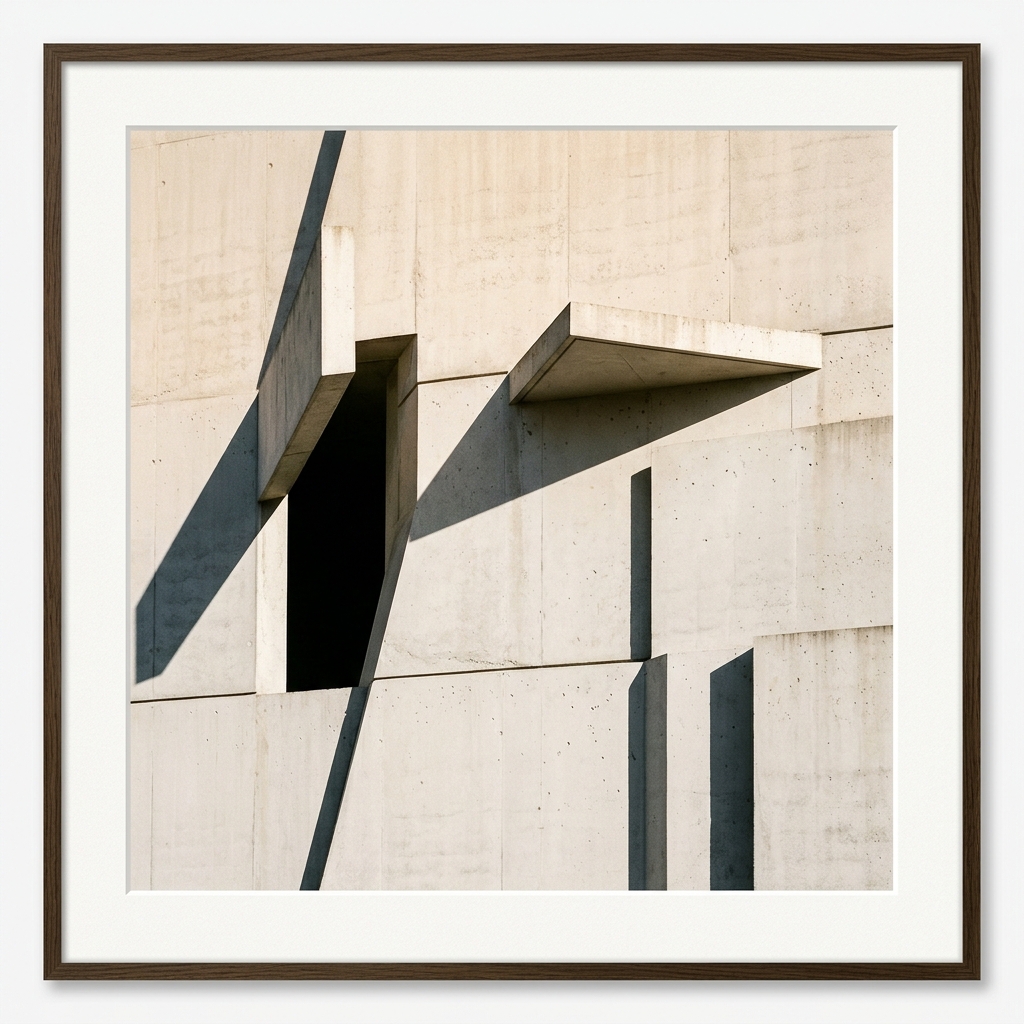
A photographic image is only half-complete when it exists on a computer monitor. The screen emits light, which gives the image a luminous but fleeting quality. A print, however, reflects light. It has physical texture, weight, and surface qualities that change depending on the room’s illumination.
In my Zurich studio, the printing process is treated with the same precision as the capture. Every stage is calibrated to produce prints of museum-grade quality that will last for generations.
The Tactile Quality of Fine Art Papers
The choice of paper is one of the most critical artistic decisions. Different paper emulsions react differently to light and ink, altering the contrast and color profile of the image.
1. Cotton Rag Papers (Matte)
For landscapes and minimalist work, I rely heavily on Hahnemühle Photo Rag 308gsm. This paper is made of 100% cotton fibers and has a completely matte, velvety finish. Because there is no glossy coating, the paper absorbs ink deeply, yielding soft, warm tones and highly tactile textures. It is acid-free and contains no optical brighteners (OBAs), ensuring it will not yellow over time.
2. Baryta Papers (Gloss/Satin)
For architectural photographs and high-contrast black and whites, I prefer Canson Infinity Baryta Prestige or Hahnemühle Photo Rag Baryta. These papers feature a barium sulfate (baryta) coating similar to traditional silver halide darkroom papers. The baryta layer provides a subtle satin sheen, extremely high contrast (D-max), and deep, rich blacks. It brings out the sharp lines and metallic textures of architectural shapes.
The Digital to Physical Translation
To ensure the print matches the artistic intent, a strict color-managed workflow is maintained:
- Monitor Calibration: Monitors are hardware-calibrated monthly to a standard luminance of 80–100 cd/m² and a white point of 5000K (matching standard gallery viewing light).
- Custom ICC Profiles: Instead of using generic manufacturer profiles, we create custom ICC profiles for every paper batch using a spectrophotometer. This ensures absolute color fidelity.
- Archival Pigments: We print using twelve-color Epson UltraChrome PRO pigment inks. These mineral-based pigments are far more stable than dye-based inks, providing lightfastness ratings exceeding a century when kept under UV-filtering glass.
Finishing and Authentication
Once printed, each piece is left to cure for 24 hours to allow the pigment solvents to evaporate completely. It is then inspected under a calibrated D50 light source for any micro-imperfections.
Once approved, the print is signed and numbered on the lower white margin. A matching pair of serialized holographic labels is applied—one onto the back of the print, and the other onto the certificate of authenticity, finalizing the piece as a unique, certified collector’s item.